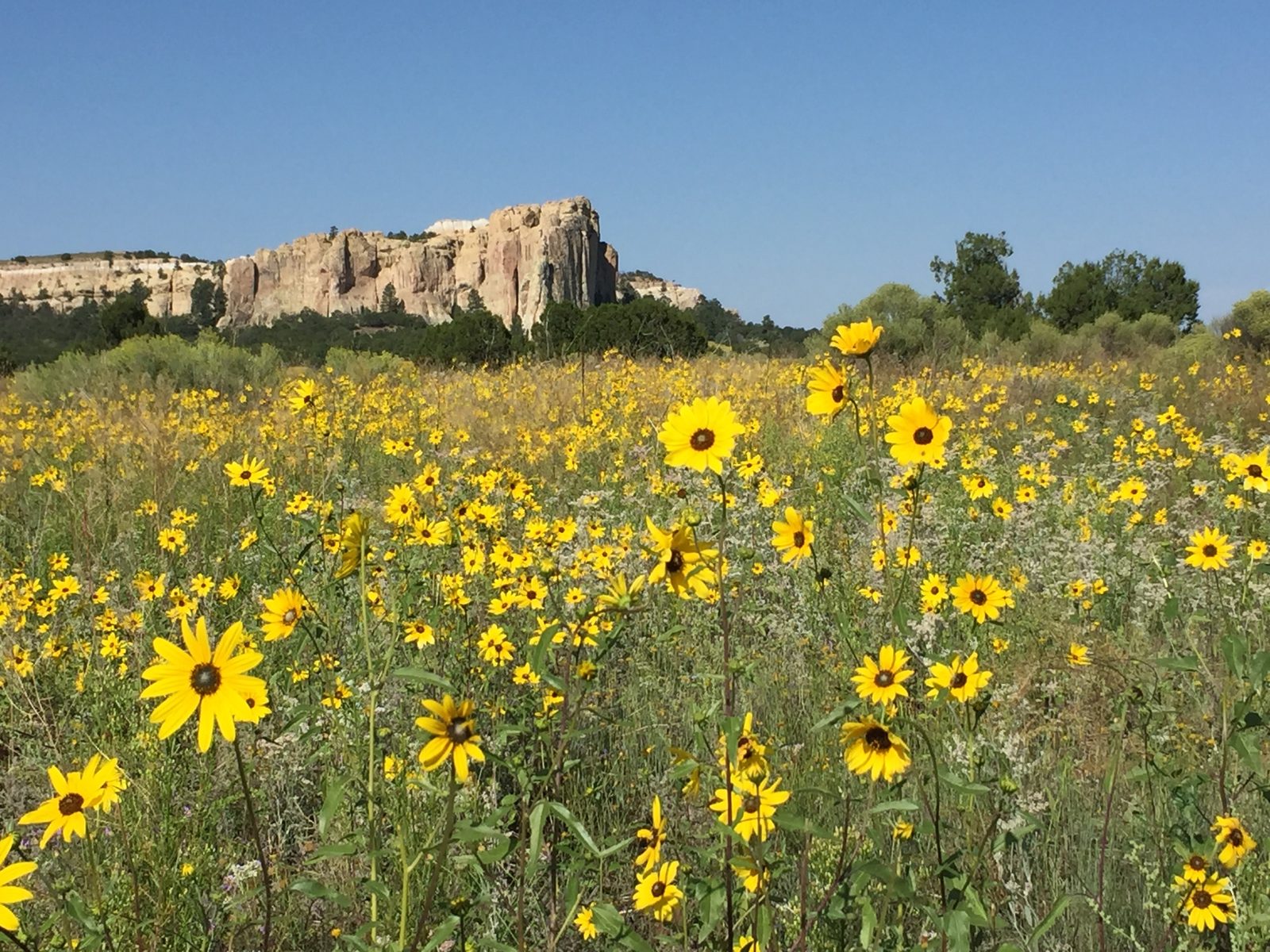
Photo: Sunflower field / NPS Photo (Public domain) via Wikimedia Commons
GREEN×EXPO 2027 What to Bring, What to Wear & Beating the Summer Heat
GREEN×EXPO 2027 (the International Horticultural Exposition) runs for 192 days, from March 19 to September 26, 2027 — a window covering spring, the rainy season, and the peak heat of late summer.
The venue is the former Kamiseya Communications Facility site in Asahi and Seya Wards, Yokohama, about 100 hectares.
Because this expo is built around flowers and greenery, you spend a lot of time outdoors, and many highlights are open flower fields and gardens. That makes the packing logic a little different from an expo where you mostly move between large indoor buildings.
Here’s what to bring to stay comfortable for a full day, plus what to wear in each season.
Please note this is an unofficial guide. Site rules and what you may bring in may change, so check the official website before you finalize your preparations.
A mostly outdoor, flower-filled site with little shade
Start with the character of the site itself.
- It is big. At about 100 hectares — larger than 20 Tokyo Domes — you cover real distance on foot as you move between the five “villages” (Urban GX, Craft, Farm & Food, Kids, SATOYAMA) and facilities such as the Theme Pavilion and the Japan Pavilion and Garden. The Japan Pavilion and Garden alone has an exhibition area of about 2.5 hectares, among the largest on site.
- Shade is limited. Because this is a horticultural expo, the main attractions are outdoor flower fields and gardens, where freshly planted beds offer little to block the sun. On a clear midday you should assume that shade to duck into will be limited. The specific shade structures and bench placements on site have yet to be announced, so it’s safest to plan your gear around not relying on shade.
- You are outdoors before and after, too. The Yokohama venue has no adjacent station. You reach it by reservation-only shuttle bus from one of four stations — Seya, Mitsukyo, Tokaichiba, and Minami-machida Grandberry Park — which means time spent outdoors on the walk from the station to the gate, and again while waiting for the bus home.
If you prepare for the heat and rain before and after you reach the grounds too, your day becomes noticeably easier. For the full picture on getting there, see the access guide.
Carry-on luggage / suitcases are NOT allowed (any size)
Carry-on luggage and suitcases of any size cannot be brought into the venue (official FAQ, confirmed October 4, 2026). The X-ray screening limit at entry is width 600 mm × height 400 mm × depth 900 mm, and most suitcases exceed this — even cabin-sized carry-ons may not pass.
Large luggage cannot be taken on the shuttle buses either, so if you’re traveling from far away or combining your visit with an overnight stay and have a lot of baggage, the standard approach is to use coin lockers at a train station before heading to the venue. Major stations such as Yokohama, Shin-Yokohama, and Seya all have coin lockers available.
The essentials (parasol, hat, water bottle, comfortable shoes)
Start with the basics you’ll want regardless of season. When you’re walking outdoors for hours, the priorities are clear.
| Item | Why it matters |
|---|---|
| Parasol or wide-brimmed hat | The top priority for shielding your head and neck where shade is scarce. A combination sun-and-rain parasol also handles a sudden shower |
| Reusable water bottle | The key to frequent hydration. The organizers have announced refill points for reusable bottles (locations not yet published), so bring a full bottle and top up on site |
| Comfortable shoes | Expect several kilometers a day. Broken-in sneakers are safest — avoid brand-new shoes |
| Sunscreen | Carry it for reapplication; one morning coat won’t last once you sweat |
| Handheld fan / cooling towel | Lowers your perceived temperature directly. Something you can press to your neck works well |
| Power bank | Maps, tickets, and photos drain a phone fast. Close to essential if entry is by digital ticket |
| Packable rain jacket | Weather shifts quickly from the rainy season into summer; a jacket keeps both hands free, unlike an umbrella |
Three of these do the heavy lifting: the parasol, the water bottle, and comfortable shoes.
The parasol
A parasol noticeably lowers how hot you feel simply by covering your head. A hat works too, but on hot days the parasol has the edge because it shades the back of your neck as well.
The water bottle
The water bottle determines how easily you stay hydrated.
[Updated August 2026] The organizers, together with the City of Yokohama, have announced a “Refill Circular Project”: refill points for reusable bottles on site, with hydration reminders linked to the WBGT heat index (press release, June 25, 2026, PDF).
Local press reports plan for 36 or more refill points indoors and out (Town News, August 20, 2026, press report). A map of the locations has not been published yet, so bring a full bottle and top up as you go.
In peak season vending machines tend to sell out or draw lines, so keeping a drink within reach saves you from queuing.
The shoes
Shoes are the most easily underestimated — and the most regretted. Walking 100 hectares is serious distance even if you don’t usually exercise, and a blister from shoes you broke out of the box that morning is exactly what you want to avoid.
Choose broken-in sneakers, and tuck a few bandages in your bag if you’re worried.
Beating the heat and avoiding heatstroke (water, salt, rest)
Midsummer in July and August, and the lingering heat of September, get genuinely tough in Yokohama. On a mostly outdoor site, treat heat precautions not as a “nice to have” but as a matter of safety. The foundation is three things:
- Drink before you feel thirsty. Waiting until you’ve already sweated is too late. Keep your water bottle within reach so you can sip while walking. Small, frequent sips put less strain on your body than gulping a lot at once.
- Replace salt and minerals, too. Sweat costs you more than water, so drinking only plain water in large amounts can actually leave you feeling worse. Carry salt tablets, an oral rehydration drink, or salt candy, and top up during the hottest hours.
- Rest before you’re tired, not after. Shaded spots, areas with mist, and indoor exhibits make ideal rest stops. Some pavilions should be air-conditioned, so building indoor facilities like the Theme Pavilion or the Japan Pavilion and Garden into your route as “cool-down breaks” during the hot hours can save a lot of energy.
Timing helps as well
- Spend the strongest sun around midday on indoor exhibits or a meal break.
- Walk the outdoor flower fields in the cooler hours just after opening or toward evening.
- GREEN×EXPO 2027 is expected to offer a summer pass and evening tickets, so entering later in the day and strolling the gardens in the cooler hours is one way to go.
For how to balance this against crowds, see the crowd forecast.
If you feel even slightly off, don’t push it — rest in the shade or at a first-aid point. Seeing one more exhibit matters less than staying well enough to enjoy the whole day.
Rain and the rainy season (rain gear, footwear)
The expo period includes June, the rainy season. It’s a beautiful time, with hydrangeas at their peak, but it also raises the odds of catching a wet day. On a site where you walk outdoors, rain preparation matters as much as heat precautions on a sunny day.
Build around a rain jacket
For rain gear, build around a rain jacket or poncho rather than an umbrella. Umbrellas bump into people in a crowded venue and make photos awkward. A jacket keeps both hands free for your bag and camera.
Carry a single combination sun-and-rain parasol and you’ve covered both shade and light rain while cutting down on what you carry.
Footwear matters too
After rain, the ground around flower fields can turn muddy or slippery depending on the paving. Worth preparing:
- Quick-drying shoes, or sneakers treated with waterproofing spray
- A spare pair of socks in a zip bag — it keeps a soaking from dampening your mood as well as your feet
- A waterproof case or a couple of zip bags to protect your phone and digital tickets
There’s an upside: because a fair number of people avoid the heat and rain, the rainy season and peak summer tend to be relatively quieter (as a general rule).
Get your rain jacket and footwear sorted and these can become well-timed windows to enjoy misty flower scenery while sidestepping the crowds.
What to wear by season (spring / rainy season / midsummer)
Because the expo spans half a year, the best clothing changes a great deal with when you go. Based on the general climate of Yokohama and the wider Kanto region, here’s a breakdown by three periods.
The on-site bloom timing has yet to be officially announced, but pairing your outfit with the seasonal flower guide makes planning easier.
Spring (late March to May)
A run of floral highlights: tulips (late March to April), nemophila (April), wisteria (late April to early May), and roses (from mid-May). Daytime is pleasant, but mornings, evenings, and windy days are still cool.
- Layering you can adjust is the foundation.
- Bring a light jacket or cardigan in March and April.
- By May you can often move in short sleeves during the day, but the sun is already strong, so have a hat and sunscreen ready early.
Rainy season (June)
Hydrangea season. With rain and humidity a given, quick-drying clothes are far more comfortable.
- Synthetic or moisture-wicking fabrics handle both sweat and rain better than heavy cotton.
- Don’t forget the rain jacket and footwear from the section above.
- Many days are muggy, so the key this month is to plan for heat and rain at the same time.
Midsummer to early autumn (July to September)
The season of sunflowers (late July to August), dahlias (late August to September), and cosmos (September), and the climax of the expo. It’s also the hottest stretch of the year.
- Choose breathable, quick-drying clothes and put fabric that stays comfortable when you sweat first.
- As sun protection, a thin long-sleeve top in UV-blocking fabric can actually feel cooler than short sleeves that leave you to burn.
- Come ready to meet the heat head-on, right down to a hat, a parasol, cooling items, and a spare T-shirt.
- September also brings busy weekends and holidays, so think about which day you visit, alongside what you wear.
One thing holds across every season: choose a bag that keeps both hands free (a backpack or shoulder bag). Walking a vast site for hours, photographing flowers, and pulling drinks in and out — your comfort through all of it depends on whether your hands are free.
Once you’re packed, the next step is how to spend the day.
For plans matched to your time and travel companions, see the model courses; for the quieter days and best hours, the crowd forecast; for the big picture on the expo itself, What is GREEN×EXPO 2027?; and for getting to the venue, the access guide.